
Textile Industry Coalition
Creating change agents for a gender-responsive textile ecosystem in Tamil Nadu.
One coalition. Safer workplaces. Stronger communities. Zero Tolerance to Gender-Based Violence & Harassment (GBVH)
Led by the Government of Tamil Nadu | Convened by UN Women
Funded by the European Union and H&M |Implemented by Sakshi
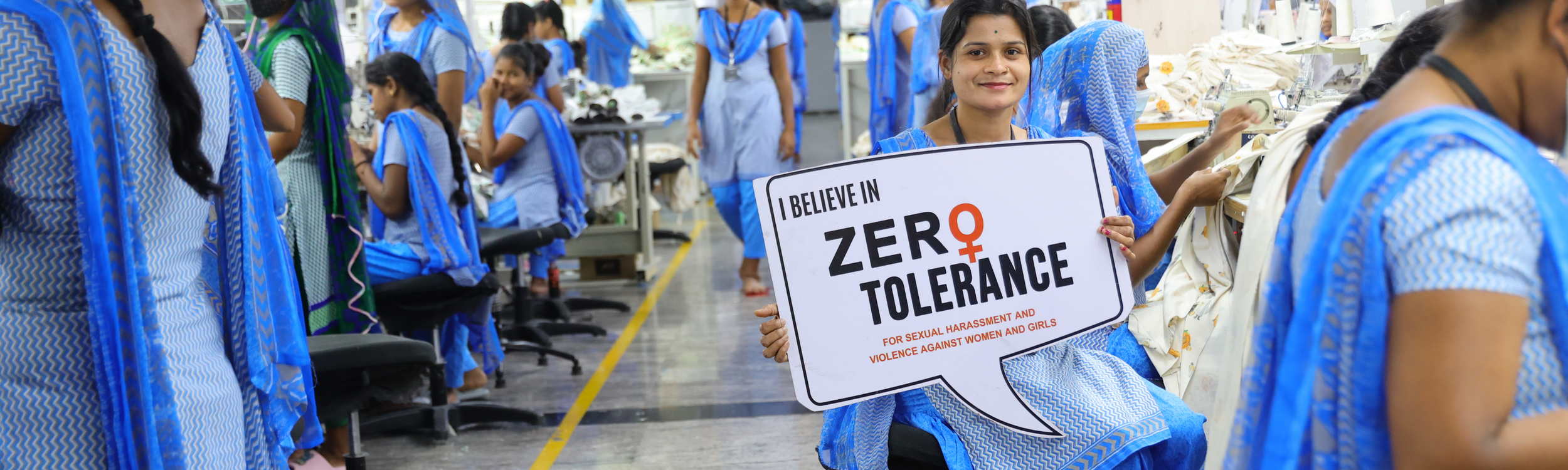
The Textile Industry Coalition (TiC) addresses GBVH as both a human rights violation and a significant barrier to women’s economic empowerment, recognising that safe, dignified and respectful workplaces are fundamental to gender equality, decent work and sustainable economic development.
Vision and Objectives
TiC seeks to empower women and girls by ensuring their right to live free from violence—at home, in public spaces, at work, and online through:
Transforming policy ecosystems by strengthening public and corporate frameworks for gender-responsive implementation of laws like the PoSH Act.
Building institutional capacity across government, industry, and labor ecosystems to ensure systemic enforcement and accountability.
Shifting societal norms through arts-based behavior change communication and engaging men, boys, and communities in disrupting cycles of VAWG.
Expected Impact
Strengthened industry-wide accountability for gender equality.
Measurable shifts in social norms and workplace culture.
Improved access to safety mechanisms and redressal systems for women and girls.
Sustained inter-departmental convergence to enhance service delivery.
TiC exemplifies how collaborative, systemic, and localized interventions can create long-lasting safety and equity for women in one of India’s most significant employment sectors.
From Connection to Collective Impact
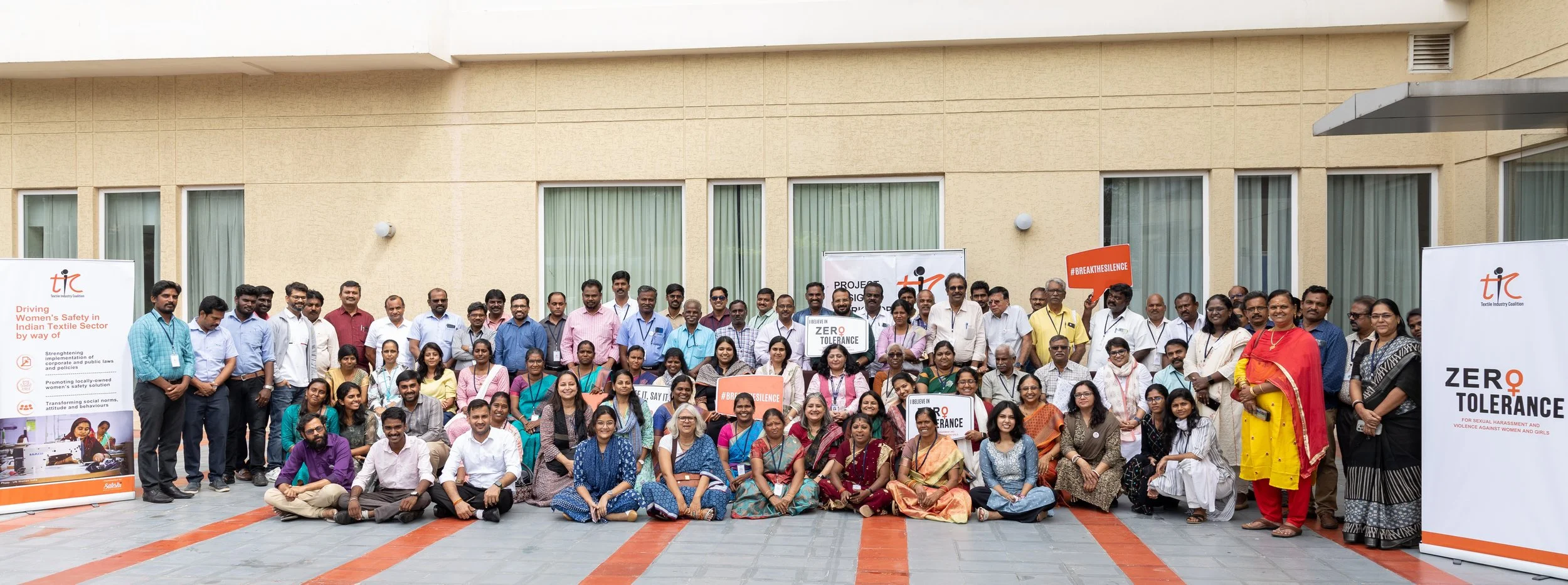
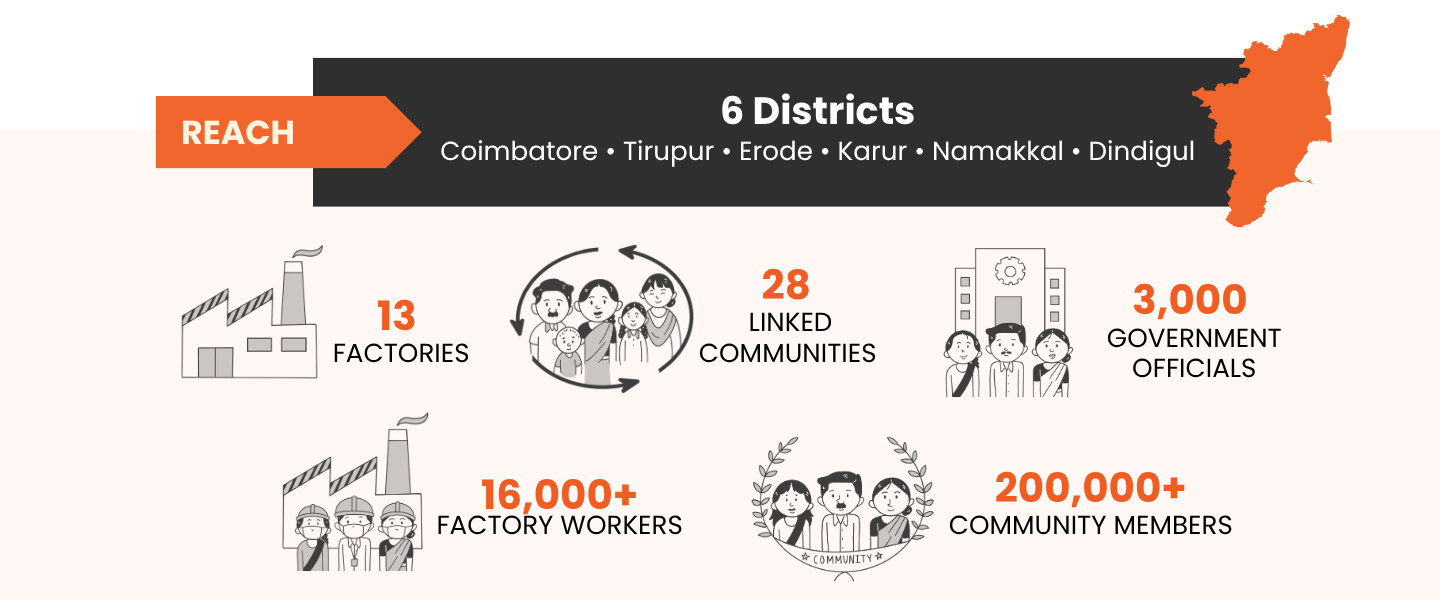
TiC builds the capacities of government officials, factory management, workers (including migrants and those belonging to low socio-economic and vulnerable communities), Internal Committees, trade unions and community stakeholders to prevent and respond to GBVH through survivor-centred and gender-responsive approaches.
TiC Resource Library
The TiC Resource Library brings together Social and Behaviour Change Communication (SBCC) resources developed for and used in TiC’s work with textile factories and linked communities in Tamil Nadu.
The resources can be used by organisations, workplaces, trainers and practitioners working on gender equality, prevention of gender-based violence and harassment, POSH, domestic violence, POCSO, allyship, reporting and survivor-centred support.
A mix of posters, presentations, reporting cards, flex materials and microlearning translates key concepts into accessible, engaging and actionable communication. Together, these resources support the journey from building knowledge and recognising harmful behaviours to reflection, reporting, allyship and behaviour change, while repeated exposure reinforces learning beyond individual training sessions.
Who are you looking for resources as?
Pick the option that best describes you to see the relevant resources.
Access this resource
Enter your details below to unlock this resource (and the rest of the hub).